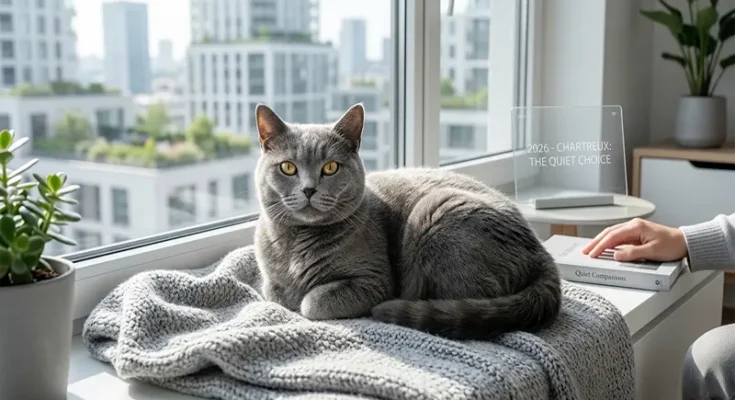
The Smiling Monk of the Apartment: Why the Chartreux is the Ultimate Quiet Companion for 2026

The Smiling Monk of the Apartment: Why the Chartreux is the Ultimate Quiet Companion for 2026

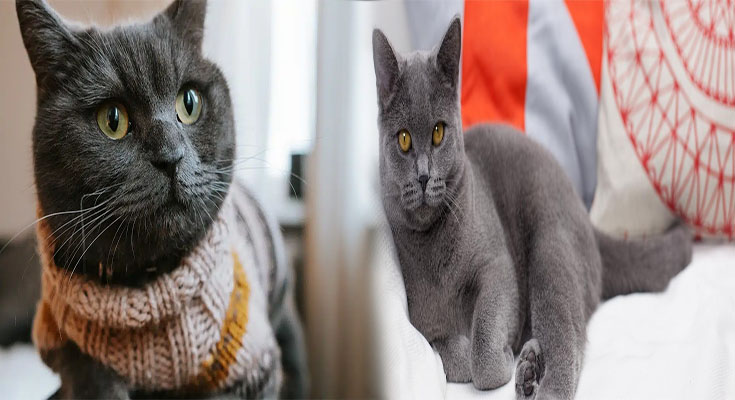
In the fast-paced, hyper-connected world of 2026, the modern apartment has become more than just a living space; it is our sanctuary—a place to decompress from the digital noise of the day. For the urban dweller, the search for a pet often hinges on a delicate balance: the need for deep, meaningful companionship without the chaos, constant vocalization, or high-maintenance needs that can turn a small living space into a source of stress. Enter the Chartreux, the “Smiling Monk” of the feline world. With its tranquil energy, plush woolly coat, and legendary quietude, the Chartreux is arguably the most sophisticated companion for apartment living in the current era.

The Monastic Vow of Silence

The history of the Chartreux is as refined as its personality. Legend whispers that the breed was cultivated by Carthusian monks in France, who sought a cat that could share their cloistered, contemplative existence. Whether the legend is entirely factual or a romanticized origin, the breed certainly carries the trait of a contemplative soul.

In a world where many cats are prone to demanding, persistent meowing, the Chartreux is a model of discretion. They are rarely silent—they communicate through soft, endearing chirps and gentle murmurs—but they lack …

The Smiling Monk of the Apartment: Why the Chartreux is the Ultimate Quiet Companion for 2026 Read More
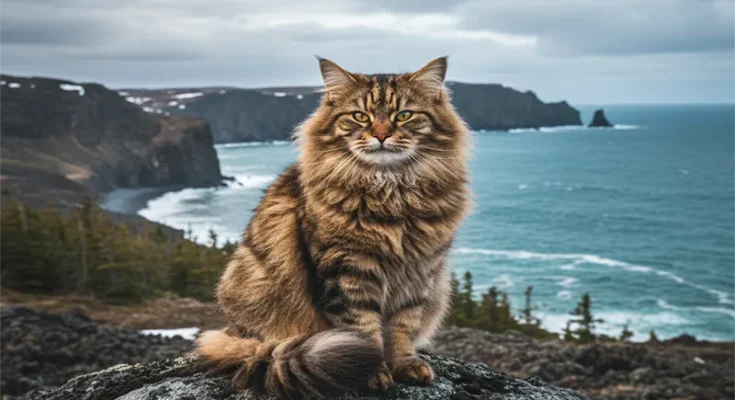

The Island Cat of the North: Everything You Need to Know About the Rare Kurilian Bobtail Longhair

The Island Cat of the North: Everything You Need to Know About the Rare Kurilian Bobtail Longhair

In the remote, windswept reaches of the Kuril Islands—a chain of volcanic outcrops stretching between the Russian Far East and Japan—a cat has thrived in relative isolation for centuries. This is the Kurilian Bobtail, a natural-born adventurer that feels more like a miniature, feline-clad legend than a typical house cat. With a pom-pom tail that acts as a unique fingerprint and a spirit as rugged as the islands from which they hail, the Kurilian Bobtail Longhair is one of the cat world’s best-kept secrets.

A Natural Wonder: Born of the Wild

Unlike many breeds that have been meticulously sculpted by human intervention over generations, the Kurilian Bobtail is a “natural breed.” They were not designed in a laboratory or bred for specific show-ring aesthetics; they evolved through natural selection in a harsh, cold environment. For centuries, they lived alongside humans on the islands, serving as highly skilled rodent hunters and companions. It wasn’t until the mid-20th century, when Russian researchers and military personnel returned to the mainland with these cats, that the world began to realize the Kurilian was a distinct, robust, and extraordinarily resilient breed.

Physical Characteristics: The North’s Masterpiece

The longhaired variety of the Kurilian Bobtail is a …

The Island Cat of the North: Everything You Need to Know About the Rare Kurilian Bobtail Longhair Read More
Beyond the Purr: Managing Maine Coon Heart Health with AI Wearable Tracking and Precision Nutrition

Beyond the Purr: Managing Maine Coon Heart Health with AI Wearable Tracking and Precision Nutrition

The Maine Coon is a breed of superlatives: the “gentle giant” of the feline world, known for its tufted ears, impressive size, and soulful expression. Yet, beneath that regal, plush exterior lies a breed-specific vulnerability that haunts many devoted owners: Hypertrophic Cardiomyopathy (HCM). As the most common heart disease in cats, HCM is a silent, progressive condition characterized by the thickening of the heart’s muscular walls, which eventually compromises the organ’s ability to pump blood efficiently.

For years, managing HCM was a game of “catch-up.” By the time clinical symptoms like lethargy, labored breathing, or sudden collapse appeared, the disease was often already in an advanced state. Today, however, we are entering a new era of proactive feline healthcare, where the convergence of Artificial Intelligence (AI) and precision nutrition is shifting the paradigm from reactive treatment to preemptive care.

The Maine Coon’s Achilles Heel: HCM

In Maine Coons, HCM often has a hereditary component, with specific genetic mutations—most notably in the MYBPC3 gene—implicated in the development of the disease. Because the heart muscle thickens slowly, the condition is notoriously asymptomatic in its early stages. A Maine Coon may appear perfectly healthy, playing and purring, while its heart is undergoing subtle, …

Beyond the Purr: Managing Maine Coon Heart Health with AI Wearable Tracking and Precision Nutrition Read More
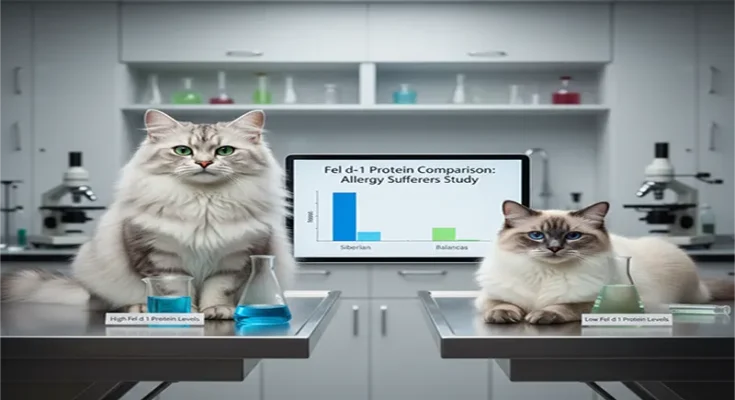
Comparing Fel d 1 Protein Levels in Siberian vs. Balinese Cats for Allergy Sufferers

Comparing Fel d 1 Protein Levels in Siberian vs. Balinese Cats for Allergy Sufferers

For the millions of people who love cats but suffer from sneezing, wheezing, and itchy eyes, the dream of feline companionship often feels out of reach. The culprit is not the fur itself, but a microscopic, sticky protein known as Fel d 1. Found in a cat’s saliva, skin oils, and urine, this protein is the primary driver of feline allergies. While no cat is truly “hypoallergenic”—meaning completely free of allergens—certain breeds have gained reputations for being more tolerable to sensitive individuals. Among these, the Siberian and the Balinese are frequently discussed. But does the science back up the hype?

The Biology of the Allergy

To understand why certain cats are labeled as hypoallergenic, we must first understand how Fel d 1 works. This protein is primarily produced in the cat’s salivary, sebaceous (skin), and anal glands. As a cat grooms itself, the protein is transferred to its fur, where it dries into microscopic flakes of dander. These flakes become airborne, easily coating furniture and carpets, where they eventually find their way into the human respiratory system.

It is a common misconception that shorter hair is better for allergies. In reality, hair length has almost no bearing on the …

Comparing Fel d 1 Protein Levels in Siberian vs. Balinese Cats for Allergy Sufferers Read More
Common Health Issues in British Shorthair Cats and How to Prevent Them

Common Health Issues in British Shorthair Cats and How to Prevent Them

British Shorthair cats are beloved for their charming appearance, affectionate personalities, and gentle demeanor. However, like all breeds, they are prone to certain health issues that owners should be aware of to ensure their feline companions lead long and healthy lives. By understanding the common health problems that affect British Shorthair cats and implementing preventive measures, owners can help mitigate the risks and provide optimal care for their cherished pets.

Dental Health Concerns

Dental issues, such as periodontal disease and tooth decay, are common health problems in British Shorthair cats. Poor dental hygiene can lead to painful infections, gum disease, and even tooth loss. To prevent dental issues, owners should establish a regular dental care routine for their cats, including daily tooth brushing with feline-friendly toothpaste, providing dental treats or toys, and scheduling professional dental cleanings as recommended by a veterinarian.

Obesity and Weight Management

British Shorthair cats have a tendency to gain weight, which can contribute to various health issues, including diabetes, joint problems, and heart disease. To prevent obesity, owners should monitor their cat’s weight regularly, feed a balanced and appropriate diet, avoid overfeeding or excessive treats, and encourage regular exercise through interactive play and physical activity.

Respiratory

Common Health Issues in British Shorthair Cats and How to Prevent Them Read More