The Scent-First Approach: Scent-Swapping and Pheromone Integration for Stress-Free Dog and Cat Introductions

The Scent-First Approach: Scent-Swapping and Pheromone Integration for Stress-Free Dog and Cat Introductions

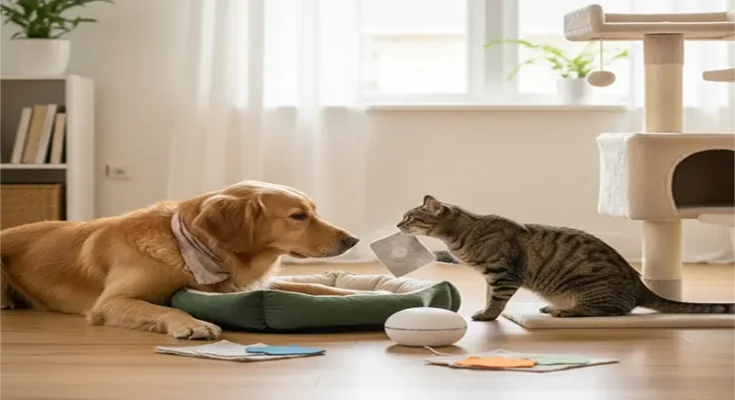
Introducing a dog and a cat is an exercise in managing biological instincts. While humans tend to prioritize visual interaction, dogs and cats primarily map their world through their sense of smell. When an introduction fails, it is almost always because the “olfactory map” of the home was disrupted too abruptly, leading to fear, territorial aggression, or predatory hyper-fixation. By focusing on scent-swapping and pheromone integration, you can essentially “introduce” your pets long before they ever lock eyes.

The Olfactory First Impression

In the world of canines and felines, smell is the primary language. A cat’s facial pheromones communicate comfort and belonging, while a dog’s scent profile communicates hierarchy, health, and emotional state. When you bring a new pet home, they enter a territory already saturated with another animal’s “signature.” If they meet face-to-face immediately, their primary instinct is to defend that territory. By starting with scent, you allow them to build a “familiarity index” in their brains, turning the other animal from an “intruder” into a “known resident.”

Scent-Swapping Protocols

Scent-swapping is the process of physically moving the “odor” of one animal into the space of the other.

  1. Preparation: Use clean, soft cloths (one for the cat, one for
The Scent-First Approach: Scent-Swapping and Pheromone Integration for Stress-Free Dog and Cat Introductions Read More
The Digital Pack: Using Multi-Pet AI Tracking Apps to Manage Shared Health and Activity Goals

The Digital Pack: Using Multi-Pet AI Tracking Apps to Manage Shared Health and Activity Goals

For households with multiple pets, the logistics of care can quickly become a full-time job. From juggling vaccination schedules for three different dogs to monitoring the subtle health shifts in an aging cat, manual tracking often leads to fragmented information and missed opportunities for early intervention. The rise of AI-integrated pet health ecosystems is fundamentally changing this dynamic, transforming the “multi-pet household” from a chaotic juggling act into a synchronized, data-driven operation.

The Evolution of the ‘Smart’ Household

Historically, pet management relied on a mixture of mental notes, paper calendars, and memory—a system prone to human error, especially in busy households. The modern era of pet care has shifted toward centralized AI dashboards. These platforms do more than just store files; they act as a “digital pack leader,” consolidating disparate streams of data into a single, cohesive view. By integrating wearable sensors, smart home cameras, and user-provided health logs, these AI systems create a comprehensive digital twin for every pet in your home.

Key Features of Multi-Pet AI Ecosystems

To be effective, a multi-pet AI platform must handle complexity with simplicity. Essential features include:

  • Centralized Profile Management: Every pet gets a dedicated digital identity storing medical histories, vaccination due dates,
The Digital Pack: Using Multi-Pet AI Tracking Apps to Manage Shared Health and Activity Goals Read More
Best Furniture and Vertical Space Solutions for a Harmonious Multi-Pet Household

Best Furniture and Vertical Space Solutions for a Harmonious Multi-Pet Household

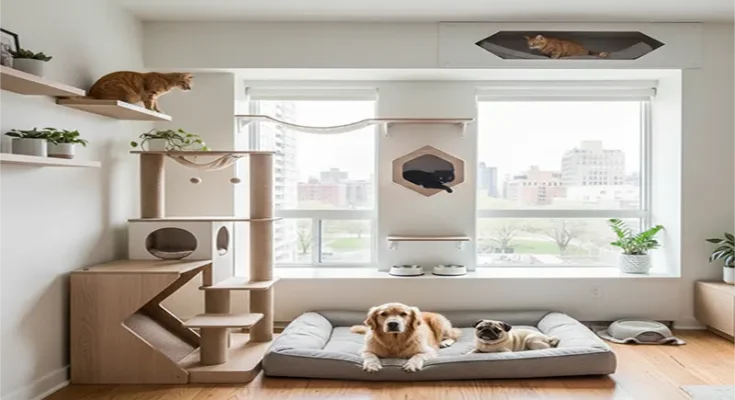
In a multi-pet household, the home is more than just a living space—it is a complex ecosystem. When multiple species share the same square footage, stress often arises not from personality clashes, but from a struggle for territory and resources. To foster true harmony, we must rethink our interiors through the lens of animal behavior and environmental design.

The Science of Territory

At the heart of pet conflict lies the Resource Dispersion Theory. This ecological concept suggests that the way essential resources—food, water, resting spots, and safe zones—are distributed dictates how animals share space. In our homes, if all resources are clustered in one area, dominant pets can easily monopolize them, causing “resource guarding” and anxiety in others.

To mitigate this, we must disperse resources. By strategically placing multiple stations throughout the home, we reduce the need for pets to compete. Furthermore, we must address the “vertical territory.” While dogs are largely terrestrial, cats are arboreal; they experience their environment in three dimensions. Providing height is not a luxury—it is a physiological necessity that allows cats to monitor their domain from a position of safety, effectively diffusing potential conflicts with canine or feline housemates.

Vertical Engineering for Cats

A …

Best Furniture and Vertical Space Solutions for a Harmonious Multi-Pet Household Read More
Hot Spots, No More: How to Treat Your Dog’s Skin Irritation Effectively

Hot Spots, No More: How to Treat Your Dog’s Skin Irritation Effectively

Hot spots are one of the most common and frustrating skin issues for dogs. These red, inflamed patches can cause severe itching, discomfort, and in some cases, lead to infections if not treated promptly. If your dog is constantly licking, biting, or scratching at a specific spot on their body, they might be dealing with a hot spot. Thankfully, products like Puainta® Quantum Hot Spot and Wound Spray offer a fast-acting solution to help alleviate these skin irritations and get your dog back to feeling comfortable.

Understanding Hot Spots and Their Causes

Hot spots, or acute moist dermatitis, are localized areas of skin inflammation that appear suddenly and are often painful for dogs. They usually result from a combination of factors, including:

Allergies: Environmental allergens like pollen, dust mites, or food sensitivities can trigger itching, leading to constant licking and scratching, which causes hot spots.

Flea Bites: Dogs allergic to flea saliva may experience intense itching and irritation, making them more prone to developing hot spots.

Infections: Bacterial or fungal infections often develop in hot spots due to the breakdown of the skin barrier from excessive scratching or licking.

The skin becomes inflamed and infected, leading to painful, weeping …

Hot Spots, No More: How to Treat Your Dog’s Skin Irritation Effectively Read More
Understanding Poodle Temperament and Personality: A Guide for First-Time Dog Owners

Understanding Poodle Temperament and Personality: A Guide for First-Time Dog Owners

The Poodle, with its elegant appearance and intelligent nature, is a popular choice for first-time dog owners. Known for their versatility, adaptability, and affectionate demeanor, Poodles make wonderful companions for individuals or families seeking a loyal and sociable pet. If you’re considering adding a Poodle to your household, it’s important to understand their temperament and personality traits to ensure a harmonious relationship. Here’s a guide to help first-time dog owners understand the unique characteristics of the Poodle breed.

Poodle Temperament

Poodles are renowned for their exceptional intellect and trainability, making them a highly sought-after breed for obedience and performance sports. Their eager-to-please demeanor and quick learning ability often result in successful training experiences, making them an ideal choice for first-time dog owners who are committed to positive and consistent training methods. Additionally, Poodles are known for their alertness and make excellent watchdogs, alerting their owners to any potential intruders or unusual occurrences.

Poodle Personality

The Poodle’s personality is often described as lively, affectionate, and playful. These dogs thrive on being an integral part of their human family and are known for their loving and loyal nature. Poodles tend to form strong bonds with their owners and display a keen sense …

Understanding Poodle Temperament and Personality: A Guide for First-Time Dog Owners Read More