Daily Cognitive Enrichment Activities and Supplements for Senior Dogs with CCD

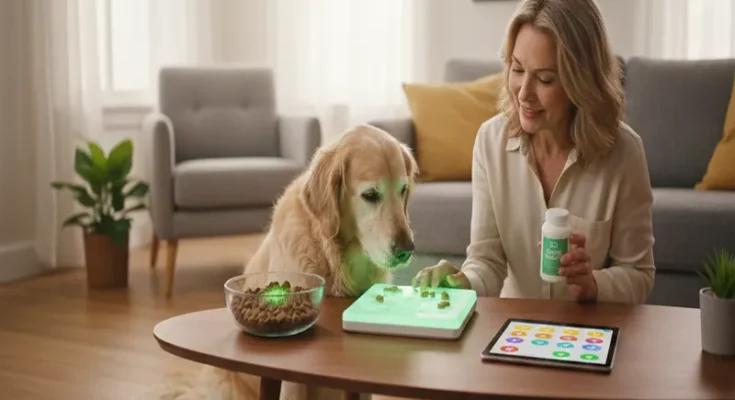
Daily Cognitive Enrichment Activities and Supplements for Senior Dogs with CCD

Caring for a senior dog facing Canine Cognitive Dysfunction (CCD)—often described as “doggy dementia”—requires a shift in perspective. CCD is a progressive neurological condition characterized by the accumulation of beta-amyloid proteins, reduced blood flow, and neuronal damage, which impairs memory, learning, and environmental awareness. While there is no cure, a multimodal approach combining enrichment, nutrition, and environmental management can significantly slow progression and improve your companion’s quality of life.

The Role of Environmental Enrichment: Use It or Lose It

The aging brain benefits immensely from engagement. Consistent, low-stress mental stimulation helps maintain synaptic plasticity.

  • Scent Work: This is perhaps the most powerful tool for a dog with CCD. Since scent is often the last sense to decline, “sniffaris”—walks where the dog leads the pace and chooses where to sniff—are invaluable. You can also hide high-value treats around the home for simple, low-frustration scavenger hunts.
  • Tactile Puzzle Boards: Use puzzle feeders or boards that require nudging or pawing. The goal is engagement, not extreme challenge; ensure the task is easily solvable to prevent frustration.
  • Target Training: Teaching simple, low-impact behaviors (like “touching” a hand with their nose) keeps the mind active. Use positive reinforcement and keep sessions very short—5 minutes is

Daily Cognitive Enrichment Activities and Supplements for Senior Dogs with CCD Read More
Transitioning to Zero-Waste Pet Care: Sustainable Playtime and Organic Grooming

Transitioning to Zero-Waste Pet Care: Sustainable Playtime and Organic Grooming

As pet owners, we often focus on the well-being of our furry companions, but rarely stop to consider the ecological “pawprint” our daily habits leave behind. From the plastic toys scattered across the living room to the synthetic shampoos we use during bath time, the conventional pet care industry is a significant contributor to landfill waste and chemical pollution. Transitioning to a zero-waste lifestyle for your pet isn’t about achieving perfection overnight; it is about making intentional, sustainable swaps that benefit both your companion’s health and the planet.

The Environmental ‘Pawprint’

Conventional pet products frequently rely on petroleum-based plastics and synthetic chemicals. Plastic toys are rarely recyclable and often degrade into microplastics, which infiltrate ecosystems and can be ingested by wildlife. Similarly, many commercial grooming products contain sulfates, parabens, and artificial fragrances. When rinsed away, these chemicals enter our waterways, disrupting aquatic life and potentially causing skin irritation or allergic reactions in sensitive pets.

The Philosophy of Mindful Pet Ownership

The transition to zero-waste pet care is rooted in a “circular” philosophy: prioritize durability, reuse what you already own, and choose consumables that return to the earth without a trace. It is about shifting from a culture of disposable convenience …

Transitioning to Zero-Waste Pet Care: Sustainable Playtime and Organic Grooming Read More
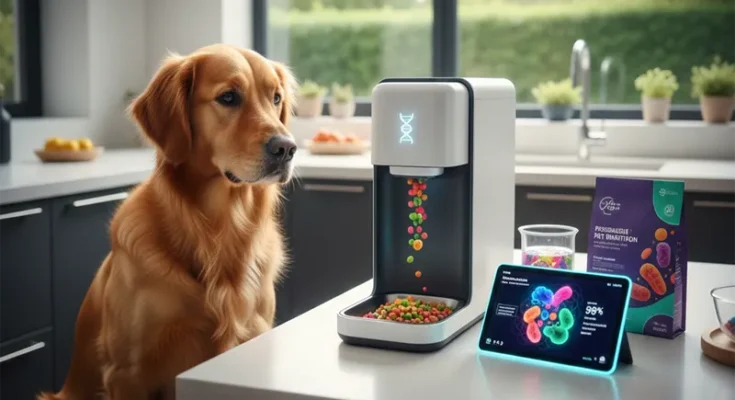
The Gut-Health Revolution: How Personalized Microbiome-Based Dog Food is Redefining Immunity and Digestion

The Gut-Health Revolution: How Personalized Microbiome-Based Dog Food is Redefining Immunity and Digestion

For decades, the standard approach to feeding our dogs has been remarkably simple: pick a bag of high-quality kibble and stick with it. But as canine science advances, we are learning that this “one-size-fits-all” model is rapidly becoming obsolete. We are entering an era of precision nutrition, where the focus has shifted from merely filling a bowl to nurturing the complex, vibrant internal ecosystem known as the gut microbiome.

The Microbiome 101: An Internal Ecosystem

Your dog’s gut is not just a tube for processing food; it is home to trillions of bacteria, viruses, fungi, and other microbes. This community, the microbiome, acts as a biological command center. Crucially, roughly 70% to 80% of a dog’s immune system resides in the gut.

When this ecosystem is balanced, your dog thrives. When it is out of sync—a state known as dysbiosis—the consequences range from chronic gas and skin allergies to recurrent infections. The gut lining acts as a gatekeeper, and when the microbiome is healthy, that gate is tight, preventing toxins from entering the bloodstream and allowing for optimal nutrient absorption.

The Shift to Personalization

The revolution in canine nutrition is driven by our ability to map this internal world. …

The Gut-Health Revolution: How Personalized Microbiome-Based Dog Food is Redefining Immunity and Digestion Read More
The Silent Sentinel: How AI Pet Collars are Transforming Predictive Health and Behavior

The Silent Sentinel: How AI Pet Collars are Transforming Predictive Health and Behavior

For centuries, our pets have been masters of the “silent struggle.” Whether it is a cat masking the early stages of kidney disease or a dog hiding the joint pain that makes their morning walk difficult, animals are evolutionarily wired to conceal their vulnerabilities. As pet owners, we are often relegated to a reactive role, waiting for an obvious symptom to appear before we seek veterinary care.

However, we are currently witnessing a technological shift from reactive to proactive pet care. The rise of AI-powered smart collars—our new “silent sentinels”—is bridging the communication gap, turning our pets’ daily lives into a stream of actionable data that can alert us to health issues long before they become emergencies.

The Technology Under the Hood

At its core, a smart collar is a sophisticated data-collection device. By integrating accelerometers, gyroscopes, heart rate sensors, and, in some cases, acoustic microphones, these devices constantly sample the pet’s movement and physiology.

The “intelligence” comes from machine learning. When a collar first arrives, it doesn’t know what your pet is like. Over the first week or two, it establishes a “baseline”—a digital fingerprint of your pet’s specific rhythm. It learns what your dog’s resting respiratory rate …

The Silent Sentinel: How AI Pet Collars are Transforming Predictive Health and Behavior Read More
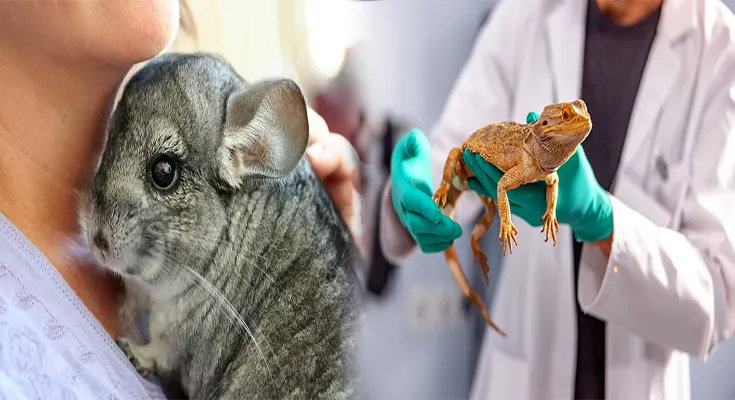
Common Health Problems and Preventative Care for Exotic Mammals

Common Health Problems and Preventative Care for Exotic Mammals

Exotic mammals, such as ferrets, sugar gliders, hedgehogs, and chinchillas, have become increasingly popular as unique and lovable pets. However, caring for these exotic creatures requires a deep understanding of their specific health needs and potential health issues. In this article, we will explore some of the common health problems that exotic mammals may face and discuss essential preventative care measures that can help ensure their well-being.

1. Dental Issues

Dental problems are prevalent in exotic mammals, especially those with continuously growing teeth like rodents and lagomorphs. Overgrown teeth, malocclusion, and dental abscesses can cause pain, difficulty eating, and other serious health issues. Regular dental exams, providing appropriate chew toys, and offering a diet that promotes dental health can help prevent dental problems in exotic mammals.

2. Respiratory Infections

Respiratory infections are a common health issue in exotic mammals, often caused by poor ventilation, high humidity, or exposure to drafts. Symptoms may include coughing, sneezing, nasal discharge, and difficulty breathing. Maintaining a clean living environment, avoiding temperature extremes, and providing proper ventilation can help prevent respiratory infections in exotic mammals.

3. Obesity

Obesity is a significant health concern for exotic mammals, as many owners may not be aware of the …

Common Health Problems and Preventative Care for Exotic Mammals Read More