
The Silent Sentinel: How AI Pet Collars are Transforming Predictive Health and Behavior

The Silent Sentinel: How AI Pet Collars are Transforming Predictive Health and Behavior

For centuries, our pets have been masters of the “silent struggle.” Whether it is a cat masking the early stages of kidney disease or a dog hiding the joint pain that makes their morning walk difficult, animals are evolutionarily wired to conceal their vulnerabilities. As pet owners, we are often relegated to a reactive role, waiting for an obvious symptom to appear before we seek veterinary care.

However, we are currently witnessing a technological shift from reactive to proactive pet care. The rise of AI-powered smart collars—our new “silent sentinels”—is bridging the communication gap, turning our pets’ daily lives into a stream of actionable data that can alert us to health issues long before they become emergencies.

The Technology Under the Hood

At its core, a smart collar is a sophisticated data-collection device. By integrating accelerometers, gyroscopes, heart rate sensors, and, in some cases, acoustic microphones, these devices constantly sample the pet’s movement and physiology.

The “intelligence” comes from machine learning. When a collar first arrives, it doesn’t know what your pet is like. Over the first week or two, it establishes a “baseline”—a digital fingerprint of your pet’s specific rhythm. It learns what your dog’s resting respiratory rate …

The Silent Sentinel: How AI Pet Collars are Transforming Predictive Health and Behavior Read More

City Smart, Not Overwhelmed: Impulse Control Exercises for High-Drive Urban Border Collies

City Smart, Not Overwhelmed: Impulse Control Exercises for High-Drive Urban Border Collies

Living with a Border Collie in the heart of a bustling city is a study in contrasts. You have a canine athlete designed to traverse vast, rolling pastures, now tasked with navigating crowded sidewalks, cyclists, and the relentless sensory overload of urban life. Their legendary herding drive—the very trait that makes them brilliant working partners—can manifest as stress, reactivity, or frustration when trapped in an environment that never stops moving.

However, the goal is not to suppress your dog’s nature; it is to provide them with the toolkit to manage their own impulses. Impulse control is the “off-switch” for a brain that is hardwired to track movement. By teaching your Border Collie to pause, choose, and redirect, you turn their intensity into an asset that makes them a calm, focused, and truly exceptional city companion.

Understanding the Drive

A Border Collie’s herding drive is a complex instinct involving fixating, stalking, circling, and nipping. In the city, this translates to “herding” buses, lunging at joggers, or obsessively watching movement. When a high-drive dog lacks a job, they invent one—often becoming the self-appointed traffic control officer of your block.

Physical exercise is vital, but for a Border Collie, it is only half …

City Smart, Not Overwhelmed: Impulse Control Exercises for High-Drive Urban Border Collies Read More
Common Health Problems and Preventative Care for Exotic Mammals

Common Health Problems and Preventative Care for Exotic Mammals

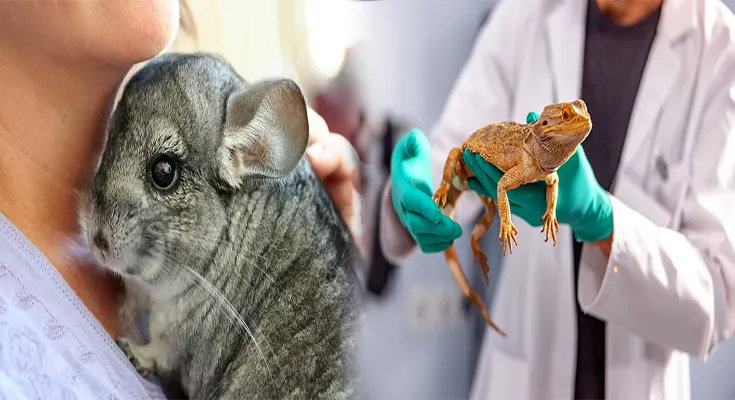
Exotic mammals, such as ferrets, sugar gliders, hedgehogs, and chinchillas, have become increasingly popular as unique and lovable pets. However, caring for these exotic creatures requires a deep understanding of their specific health needs and potential health issues. In this article, we will explore some of the common health problems that exotic mammals may face and discuss essential preventative care measures that can help ensure their well-being.

1. Dental Issues

Dental problems are prevalent in exotic mammals, especially those with continuously growing teeth like rodents and lagomorphs. Overgrown teeth, malocclusion, and dental abscesses can cause pain, difficulty eating, and other serious health issues. Regular dental exams, providing appropriate chew toys, and offering a diet that promotes dental health can help prevent dental problems in exotic mammals.

2. Respiratory Infections

Respiratory infections are a common health issue in exotic mammals, often caused by poor ventilation, high humidity, or exposure to drafts. Symptoms may include coughing, sneezing, nasal discharge, and difficulty breathing. Maintaining a clean living environment, avoiding temperature extremes, and providing proper ventilation can help prevent respiratory infections in exotic mammals.

3. Obesity

Obesity is a significant health concern for exotic mammals, as many owners may not be aware of the …

Common Health Problems and Preventative Care for Exotic Mammals Read More
Handling and Taming Techniques for Exotic Birds

Handling and Taming Techniques for Exotic Birds

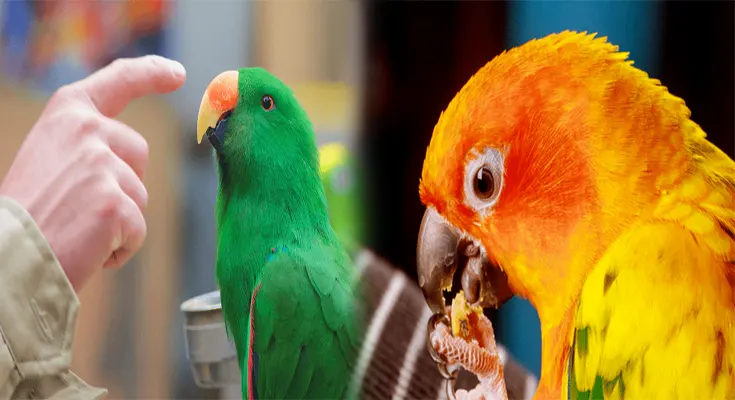
Exotic birds are fascinating and intelligent creatures that can make wonderful companions when properly cared for and handled. However, due to their unique nature, exotic birds require specific techniques to ensure they are comfortable and socialized. In this article, we will discuss handling and taming techniques for exotic birds to foster a strong bond and trust between you and your feathered friend.

1. Approach with Calmness and Patience

When interacting with exotic birds, it is essential to approach them with calmness and patience. Sudden movements or loud noises can startle birds and make them feel anxious. Slow, gentle movements and a soothing voice can help create a relaxed environment and build trust with your bird.

2. Allow Birds to Acclimate to Their Environment

Exotic birds, especially those that are new to your home, need time to acclimate to their surroundings. Give them space to explore their cage or aviary at their own pace before attempting to handle them. This helps reduce stress and allows the bird to feel more comfortable in their new environment.

3. Use Positive Reinforcement

Positive reinforcement is a powerful tool in taming exotic birds. Reward your bird with treats, praise, or their favorite toys when they …

Handling and Taming Techniques for Exotic Birds Read More
Understanding the Essential Nutritional Requirements for Exotic Reptiles and Amphibians

Understanding the Essential Nutritional Requirements for Exotic Reptiles and Amphibians

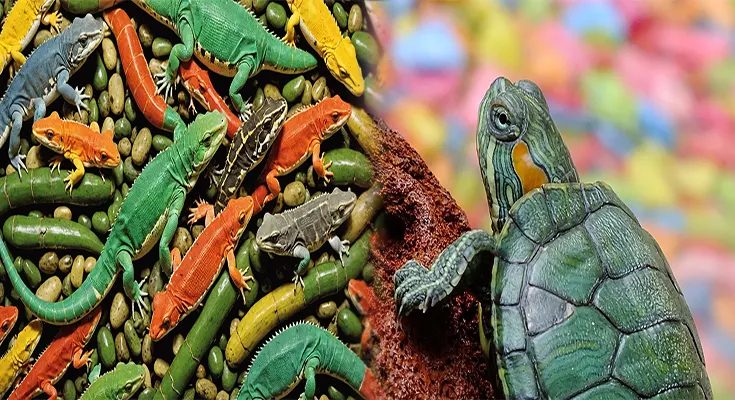
The care and maintenance of exotic reptiles and amphibians require careful consideration of their dietary needs to ensure their health and well-being. These unique creatures have specific nutritional requirements that differ from those of traditional pets, making it crucial for exotic pet owners to understand and cater to their dietary needs. In this article, we will explore the essential nutritional requirements for exotic reptiles and amphibians, providing valuable insights into how to best support their dietary health.

1. Understanding the Role of Vitamins and Minerals

Exotic reptiles and amphibians require a balanced intake of vitamins and minerals to support various physiological functions. Calcium, for example, is particularly crucial for the skeletal health of reptiles such as tortoises and lizards. Insufficient calcium can lead to debilitating conditions like metabolic bone disease, highlighting the importance of ensuring proper supplementation in their diet. Similarly, amphibians such as frogs and newts require adequate levels of vitamin A for vision and immune function.

2. Protein and Amino Acids

Protein is an essential component of the diet for many reptiles and amphibians, serving as a source of energy and supporting muscle development. Insect-eating species like chameleons and certain frogs rely heavily on protein-rich diets. Furthermore, ensuring …

Understanding the Essential Nutritional Requirements for Exotic Reptiles and Amphibians Read More