For centuries, our pets have been masters of the “silent struggle.” Whether it is a cat masking the early stages of kidney disease or a dog hiding the joint pain that makes their morning walk difficult, animals are evolutionarily wired to conceal their vulnerabilities. As pet owners, we are often relegated to a reactive role, waiting for an obvious symptom to appear before we seek veterinary care.
However, we are currently witnessing a technological shift from reactive to proactive pet care. The rise of AI-powered smart collars—our new “silent sentinels”—is bridging the communication gap, turning our pets’ daily lives into a stream of actionable data that can alert us to health issues long before they become emergencies.
The Technology Under the Hood
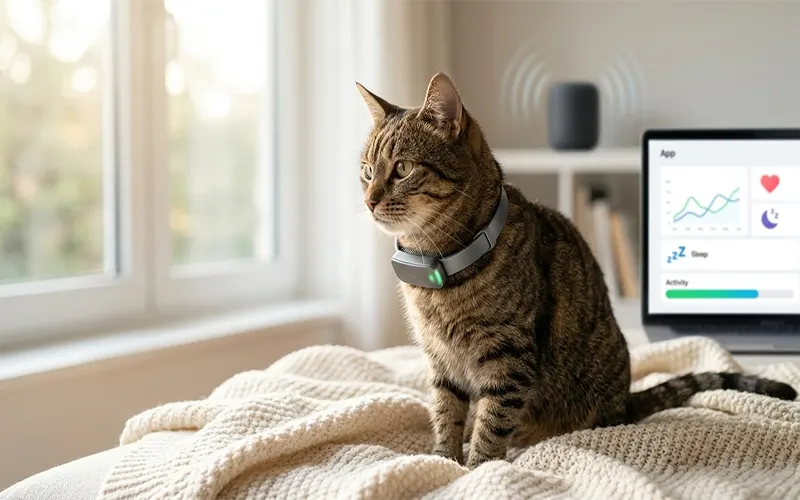
At its core, a smart collar is a sophisticated data-collection device. By integrating accelerometers, gyroscopes, heart rate sensors, and, in some cases, acoustic microphones, these devices constantly sample the pet’s movement and physiology.
The “intelligence” comes from machine learning. When a collar first arrives, it doesn’t know what your pet is like. Over the first week or two, it establishes a “baseline”—a digital fingerprint of your pet’s specific rhythm. It learns what your dog’s resting respiratory rate is during a nap, how active your cat is at 2:00 AM, and what their sleep architecture typically looks like. Once that baseline is set, the AI continuously compares real-time data against it, flagging deviations that fall outside of your pet’s personal norm.
Predictive Health Alerts: The Early Warning System
The most powerful application of this technology is its ability to identify the “pre-clinical” phase of disease.
- Respiratory and Heart Health: Subtle changes in a pet’s sleeping respiratory rate are often the earliest indicators of conditions like congestive heart failure or respiratory infections. By tracking the number of breaths taken per minute while the pet is in deep sleep, AI algorithms can identify a trend—a gradual increase that a human owner would never notice—and provide an early warning.
- Vital Sign Monitoring: Resting heart rate (RHR) is another critical metric. An elevated RHR can signal anything from an underlying infection or inflammation to stress or early cardiac distress. The collar captures these figures 24/7, removing the “white coat syndrome” that often skews heart rate readings during a stressful veterinary exam.
Behavioral Tracking and Mental Well-being
Beyond internal health, smart collars offer a window into a pet’s behavioral and emotional state.
- The Activity/Illness Duality: A sudden drop in activity can be a sign of physical pain, such as the onset of arthritis or a dental abscess. Conversely, patterns of increased pacing, repetitive scratching, or significant shifts in sleep architecture can indicate anxiety, separation stress, or sensory-related issues.
- Quantifying Improvement: If your pet is prescribed medication for arthritis or anxiety, these collars provide objective data to see if the treatment is working. Instead of guessing if your dog is “moving better,” you can compare their activity intensity logs before and after the medication, providing the vet with concrete evidence to refine the treatment plan.
The “Data-to-Vet” Pipeline: A New Consultative Model
The real value of these devices is not in “self-diagnosing” via an app, but in the Data-to-Vet pipeline. When you present this data to your veterinarian, you are no longer relying on anecdotal evidence like, “I think he’s been acting a little off.”
You are providing a longitudinal health report. A vet can look at a three-month graph of respiratory rates or a heat map of activity levels. This turns the consultation into a high-precision diagnostic process. It allows the veterinarian to confirm their clinical suspicions or rule out potential diagnoses with a speed and accuracy that were previously impossible. The collar essentially gives the veterinarian a “witness” to the pet’s life at home.
Challenges and Privacy
Despite the promise, there are hurdles. Data accuracy remains a focus—sensors can be affected by the fit of the collar, and false positives (alerting an owner because the dog was simply excited by a squirrel) can cause unnecessary panic. Battery life is another constraint; for a collar to be truly useful, it needs to be as low-maintenance as possible. Furthermore, data security is paramount. Pet owners should prioritize companies that are transparent about how their data is stored, encrypted, and used, ensuring that their pet’s health profile remains confidential.
The Future of the Human-Animal Bond
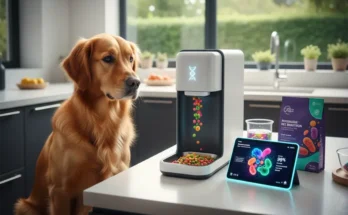
We are just beginning to scratch the surface of this technology. The future points toward deep integration with smart home systems—where a pet’s activity levels might adjust the temperature of their sleeping area or trigger a remote feeder. More importantly, we are moving toward a future of “personalized longevity,” where the combined insights of wearables and genomic testing allow for truly custom preventative healthcare.
Empowering the Pet Advocate
AI-powered pet collars are transforming the way we love and care for our animal companions. By providing a voice to the silent needs of our pets, this technology empowers us to be better advocates, catching problems in their infancy and optimizing our pets’ quality of life. While the technology is still evolving, the core mission is timeless: using the best of human innovation to ensure our pets live their healthiest, happiest lives by our side.