
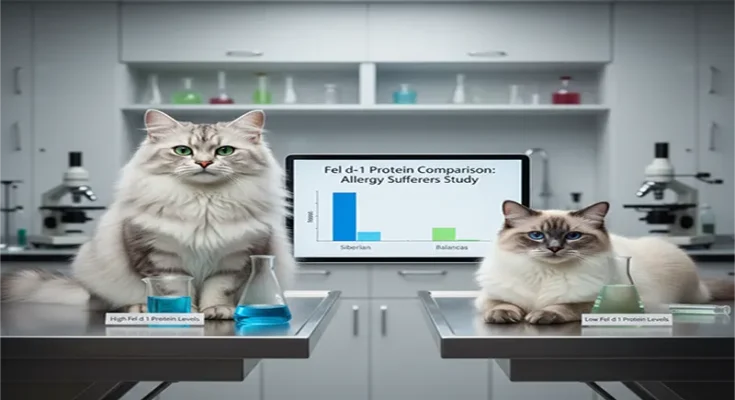
Comparing Fel d 1 Protein Levels in Siberian vs. Balinese Cats for Allergy Sufferers
For the millions of people who love cats but suffer from sneezing, wheezing, and itchy eyes, the dream of feline companionship often feels out of reach. The culprit is not the fur itself, but a microscopic, sticky protein known as Fel d 1. Found in a cat’s saliva, skin oils, and urine, this protein is the primary driver of feline allergies. While no cat is truly “hypoallergenic”—meaning completely free of allergens—certain breeds have gained reputations for being more tolerable to sensitive individuals. Among these, the Siberian and the Balinese are frequently discussed. But does the science back up the hype?
The Biology of the Allergy
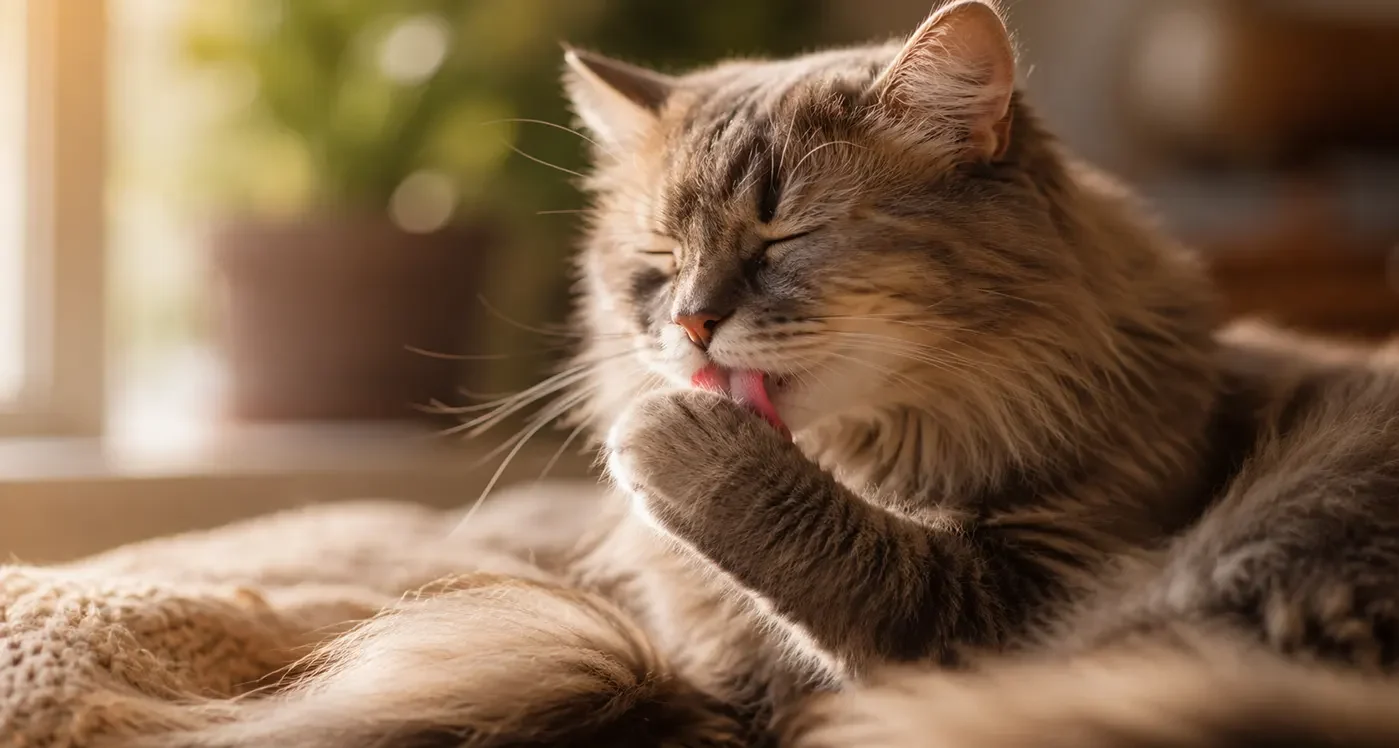
To understand why certain cats are labeled as hypoallergenic, we must first understand how Fel d 1 works. This protein is primarily produced in the cat’s salivary, sebaceous (skin), and anal glands. As a cat grooms itself, the protein is transferred to its fur, where it dries into microscopic flakes of dander. These flakes become airborne, easily coating furniture and carpets, where they eventually find their way into the human respiratory system.
It is a common misconception that shorter hair is better for allergies. In reality, hair length has almost no bearing on the …
Comparing Fel d 1 Protein Levels in Siberian vs. Balinese Cats for Allergy Sufferers Read More