
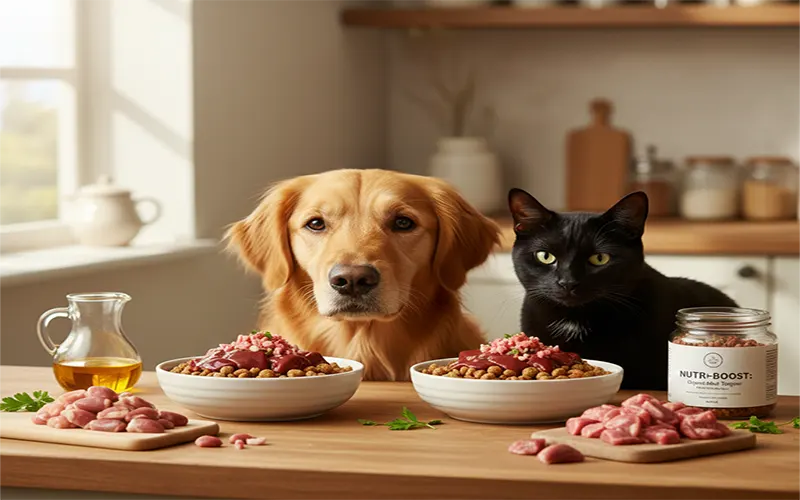
In the wild, the first parts of a prey animal consumed by predators are often the nutrient-dense organs. This isn’t arbitrary; it’s an instinctual drive for concentrated nutrition. Modern pet foods, while formulated for completeness, often rely on synthetic vitamins and minerals to compensate for processing. For both dogs and cats, integrating human-grade organ meat toppers can bridge this “ancestral” nutritional gap, delivering a powerhouse of bioavailable micronutrients that factory-made kibble simply cannot replicate.
The ‘Ancestral’ Nutritional Gap
Dogs and cats are obligate carnivores and facultative carnivores, respectively. Their digestive systems are designed to process animal-based proteins and fats, along with the micronutrients found abundantly in prey animals. Organ meats are, quite literally, nature’s multivitamins. They provide a spectrum of fat-soluble vitamins, B-vitamins, essential fatty acids, and trace minerals in forms that are highly bioavailable, meaning the animal’s body can absorb and utilize them far more efficiently than their synthetic counterparts. Adding these to a commercial diet offers a boost of real, whole-food nutrition.
The Nutritional Profile of Key Organs
Each organ offers a unique nutritional signature, making a varied approach beneficial:
- Liver: Often called “nature’s most potent multivitamin.” Liver is an exceptional source of Vitamin A (retinol), vital for vision, immune function, and skin health. It also provides abundant B vitamins (B12, B6, folate), iron for red blood cell production, and trace minerals like copper.
- Heart: Rich in Coenzyme Q10 (CoQ10), a powerful antioxidant crucial for cellular energy production, especially in the heart muscle. It’s also an excellent source of taurine, an amino acid absolutely essential for feline heart and eye health (and beneficial for dogs too).
- Kidneys: A good source of high-quality protein, B vitamins, iron, and selenium, an important antioxidant.
- Spleen/Pancreas: These are less commonly fed but offer unique benefits. The spleen provides a rich source of iron and is thought to support immune function. Pancreas is rich in natural digestive enzymes, which can be particularly beneficial for pets with exocrine pancreatic insufficiency (EPI) or general digestive sensitivities.
Toppers vs. Meals: The Safety of ‘Supplementary’ Feeding
It’s crucial to understand that using organ meats as toppers is different from feeding a complete and balanced raw diet. As toppers, organ meats serve as a nutritional boost, not the sole foundation. The “10% rule” is paramount: organ meats should generally not exceed 5-10% of your pet’s total daily caloric intake.
Overfeeding certain organs, especially liver, can lead to Vitamin A toxicity, which can cause bone deformities and other serious health issues over time. The goal is nutrient enhancement, not replacement. When introduced correctly as a supplement, organ meats can provide a targeted dose of essential nutrients without disrupting the overall balance of your pet’s primary diet.
Sourcing and Preparation
The most critical aspect of feeding organ meats safely is sourcing. Always opt for human-grade organs from reputable butchers or suppliers. This minimizes the risk of bacterial contamination from pathogens like Salmonella or E. coli.
Preparation methods:
- Freeze-Dried: This is the easiest and safest option. Freeze-dried organ treats retain nearly all their nutritional value and require no refrigeration or cooking.
- Gently Steamed or Lightly Seared: If feeding fresh, a quick, light cook can kill surface bacteria while largely preserving nutrient integrity. Avoid overcooking, which denatures beneficial enzymes and vitamins.
- Raw (with caution): If feeding raw, ensure impeccable hygiene: wash hands thoroughly, clean all surfaces, and feed immediately. This option carries a higher risk of pathogen exposure if not handled perfectly.
Observing the Transformation
When you introduce human-grade organ meat toppers, look for measurable improvements in your pet’s vitality. Many owners report:
- Improved Coat Sheen: The abundance of healthy fats and B vitamins often results in a softer, shinier coat.
- Increased Energy: Better cellular function from CoQ10 and B vitamins can translate to more sustained energy.
- Better Appetite: The rich flavor and aroma of organ meats can stimulate the appetite of even the pickiest eaters, making mealtime more enjoyable.
- Enhanced Immune Function: The array of vitamins and minerals supports a robust immune system, potentially leading to fewer minor illnesses.
By thoughtfully incorporating these nutrient-dense powerhouses, you’re not just feeding your pet; you’re supercharging their health with the very best that nature has to offer.