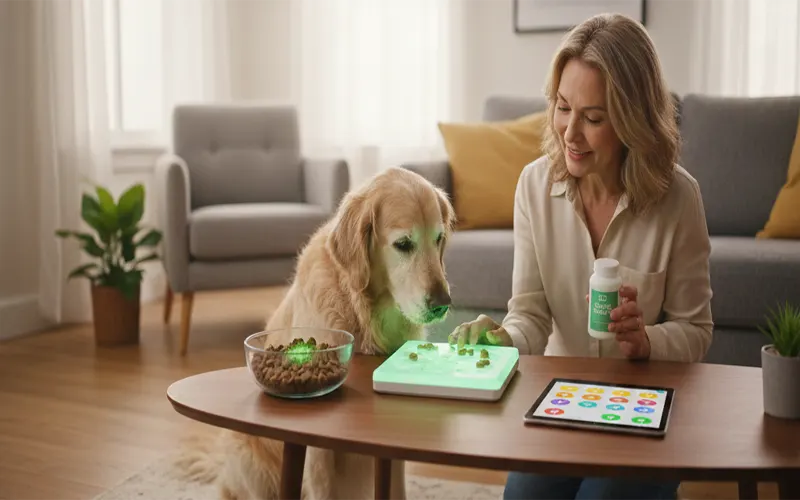
Caring for a senior dog facing Canine Cognitive Dysfunction (CCD)—often described as “doggy dementia”—requires a shift in perspective. CCD is a progressive neurological condition characterized by the accumulation of beta-amyloid proteins, reduced blood flow, and neuronal damage, which impairs memory, learning, and environmental awareness. While there is no cure, a multimodal approach combining enrichment, nutrition, and environmental management can significantly slow progression and improve your companion’s quality of life.
The Role of Environmental Enrichment: Use It or Lose It
The aging brain benefits immensely from engagement. Consistent, low-stress mental stimulation helps maintain synaptic plasticity.
- Scent Work: This is perhaps the most powerful tool for a dog with CCD. Since scent is often the last sense to decline, “sniffaris”—walks where the dog leads the pace and chooses where to sniff—are invaluable. You can also hide high-value treats around the home for simple, low-frustration scavenger hunts.
- Tactile Puzzle Boards: Use puzzle feeders or boards that require nudging or pawing. The goal is engagement, not extreme challenge; ensure the task is easily solvable to prevent frustration.
- Target Training: Teaching simple, low-impact behaviors (like “touching” a hand with their nose) keeps the mind active. Use positive reinforcement and keep sessions very short—5 minutes is often enough to tire a senior dog’s brain.
Supplements and Nutrition: Neuro-Protection
Dietary intervention focuses on reducing oxidative stress and inflammation while providing alternative energy sources for aging brain cells. Always consult your veterinarian before starting any supplement regimen, as interactions with existing medications must be assessed.
- Omega-3 Fatty Acids (EPA/DHA): These are essential for maintaining the integrity of brain cell membranes and reducing neuroinflammation.
- Medium-Chain Triglycerides (MCTs): The aging brain often struggles to metabolize glucose. MCT oils (often derived from coconut oil) provide ketones, an alternative fuel source that can help improve cognitive function.
- Antioxidant Blends: Vitamins E and C, alongside cofactors like Alpha-lipoic acid and L-carnitine, help scavenge free radicals that damage neurons.
- SAMe (S-adenosylmethionine): Often recommended to support liver function, SAMe also plays a role in cognitive health by supporting neurotransmitter synthesis.
Optimizing the Living Space for Security
As disorientation increases, the physical environment must become a stable, predictable sanctuary.
- Consistency is Key: Avoid rearranging furniture. A dog with CCD relies on a “mental map” of their home. New obstacles can lead to getting “stuck” or increased anxiety.
- Visual and Tactile Markers: If your dog struggles with navigation, use rugs to create clear, non-slip pathways. You can also place unique textures or mats at top/bottom steps to alert them to transitions.
- Lighting: Maintain consistent lighting. In the morning, access to natural sunlight helps regulate circadian rhythms. If your dog suffers from “sundowning” (nocturnal restlessness/anxiety), gentle night-lights can prevent them from feeling lost in the dark.
Monitoring Progress: The DISHAA Framework
Because CCD is progressive, objective monitoring is essential for your veterinarian to adjust treatment plans. Using the DISHAA acronym helps quantify changes in your dog’s mental state:
- Disorientation: Getting lost, staring at walls, getting stuck in corners.
- Interactions: Changes in social behavior toward family or other pets.
- Sleep/Wake Cycles: Restlessness at night, excessive daytime sleeping.
- House Soiling: Forgetting house-training rules.
- Activity: Decreased interest in play or aimless pacing.
- Anxiety: Increased nervousness when separated or in new environments.
By proactively managing your senior dog’s environment and health, you provide them with the dignity and comfort they deserve in their golden years. Remember, your veterinarian is your most important partner—regular checkups are vital to ensure that your dog’s confusion isn’t being exacerbated by manageable physical pain or sensory loss.