For the millions of people who love cats but suffer from sneezing, wheezing, and itchy eyes, the dream of feline companionship often feels out of reach. The culprit is not the fur itself, but a microscopic, sticky protein known as Fel d 1. Found in a cat’s saliva, skin oils, and urine, this protein is the primary driver of feline allergies. While no cat is truly “hypoallergenic”—meaning completely free of allergens—certain breeds have gained reputations for being more tolerable to sensitive individuals. Among these, the Siberian and the Balinese are frequently discussed. But does the science back up the hype?
The Biology of the Allergy
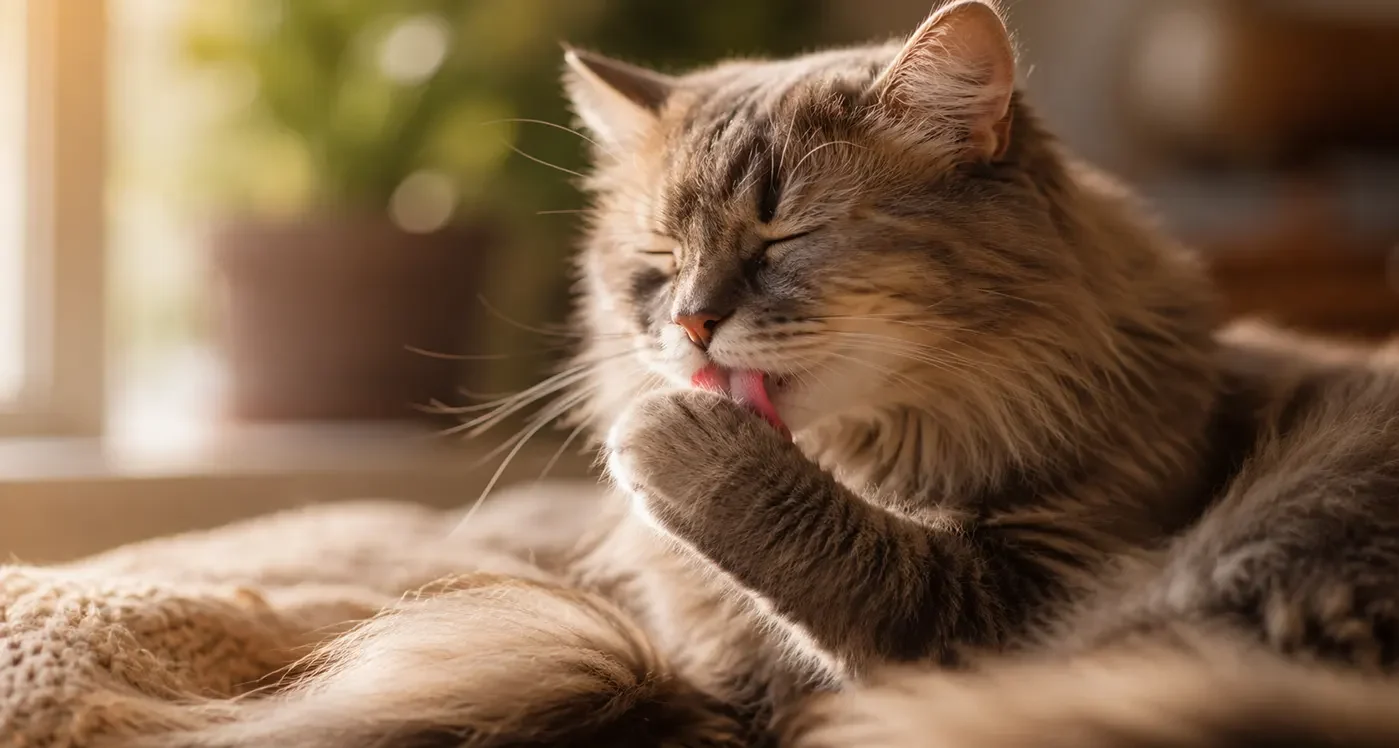
To understand why certain cats are labeled as hypoallergenic, we must first understand how Fel d 1 works. This protein is primarily produced in the cat’s salivary, sebaceous (skin), and anal glands. As a cat grooms itself, the protein is transferred to its fur, where it dries into microscopic flakes of dander. These flakes become airborne, easily coating furniture and carpets, where they eventually find their way into the human respiratory system.
It is a common misconception that shorter hair is better for allergies. In reality, hair length has almost no bearing on the amount of protein produced. The difference lies in the production rate of Fel d 1, which varies significantly between individual cats, and to some extent, between specific breeds.
The Siberian Case: The “Low-Protein” Candidate
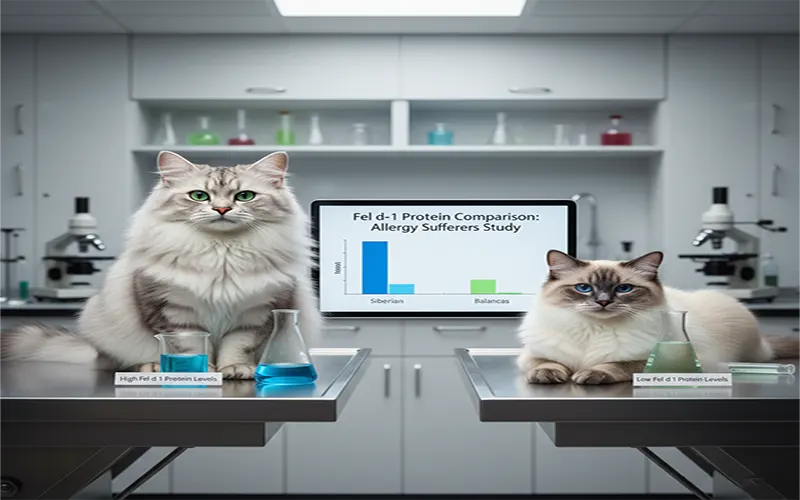
The Siberian, a sturdy, long-haired breed from the cold forests of Russia, is perhaps the most famous “hypoallergenic” cat. The claim stems from observations that many Siberians seem to produce less Fel d 1 protein than the average domestic cat.
While the scientific literature is still evolving, some breeders and limited studies suggest that the Siberian genetic line may indeed express the gene for Fel d 1 less aggressively. However, it is vital to note that “less” does not mean “absent.” A Siberian can still trigger a severe reaction in a highly sensitive individual. The appeal of the Siberian is not a magic lack of protein, but rather a potentially lower baseline that may stay below a sufferer’s personal “allergic threshold.”
The Balinese Case: A Different Mechanism
The Balinese, essentially a long-haired version of the Siamese, is the other primary contender in the low-allergen conversation. Unlike the Siberian, the Balinese’s reputation is often attributed to a different biological characteristic: it is believed that they produce lower levels of the Fel d 1 protein and shed less dander overall.
Because the Balinese belongs to the Siamese family, they possess a coat structure that is quite different from the thick, triple-coat of the Siberian. While both breeds are long-haired, the lack of a heavy, dense undercoat in the Balinese means there is less surface area for saliva and dander to accumulate, which can theoretically reduce the amount of allergen released into the home environment.
Comparative Analysis: Is One Better?
| Factor | Siberian | Balinese |
| Primary Claim | Lower genetic production of Fel d 1 | Lower Fel d 1 production + lower shedding |
| Coat Type | Triple-layered (thick/dense) | Single-coated (silky/fine) |
| Allergen Trapping | High (due to density) | Lower (due to fine texture) |
| Scientific Evidence | Primarily anecdotal/breeder-led | Primarily anecdotal |
It is critical to be candid: there is no definitive, peer-reviewed clinical study that proves the Siberian is superior to the Balinese, or vice versa. Most experts agree that individual variation is far more significant than breed variation. One Siberian might produce very low levels of Fel d 1, while another might produce levels comparable to an ordinary “alley cat.”
Variables Beyond Breed
When considering an “allergy-friendly” cat, the breed is only one piece of the puzzle. Several other factors dictate how much allergen a cat contributes to your home:
- Sex and Hormones: Intact (unneutered) males typically produce the highest levels of Fel d 1. Neutering has been shown to significantly decrease production, making a neutered male a better choice than an intact one.
- Age: Allergen production changes as a cat matures.
- Individual Genetics: Just as humans have different biological makeups, cats do too. Two cats of the same breed can have vastly different protein profiles.
Practical Advice for Sufferers
If you suffer from allergies but are determined to bring a feline into your life, do not rely solely on breed labels. Instead, employ a “layered” strategy to minimize exposure:
- The Trial Period: This is non-negotiable. Spend time in an environment with the specific cat you are interested in—not just the breed, but that individual animal. Spend at least 30–60 minutes in a room with them to gauge your reaction.
- Environmental Controls: Use a high-quality HEPA air purifier to capture airborne dander. Keep the bedroom a “cat-free zone” to give your immune system a chance to rest at night.
- Grooming: While you should avoid being the one to groom the cat, having a non-allergic family member wipe the cat down with a damp cloth or a pet-safe dander-reducing wipe can significantly lower the protein load on the coat.
Proceed with Caution
Both the Siberian and the Balinese are wonderful, affectionate breeds that may be easier for allergy sufferers to live with than other cats. However, the term “hypoallergenic” is a marketing label, not a medical guarantee. If you are a prospective owner, prioritize meeting the individual cat over seeking out a specific breed. Ultimately, your own immune system will be the final judge. Approach the situation with caution, manage your environment, and ensure that both you and the cat are set up for a comfortable, long-term relationship.